
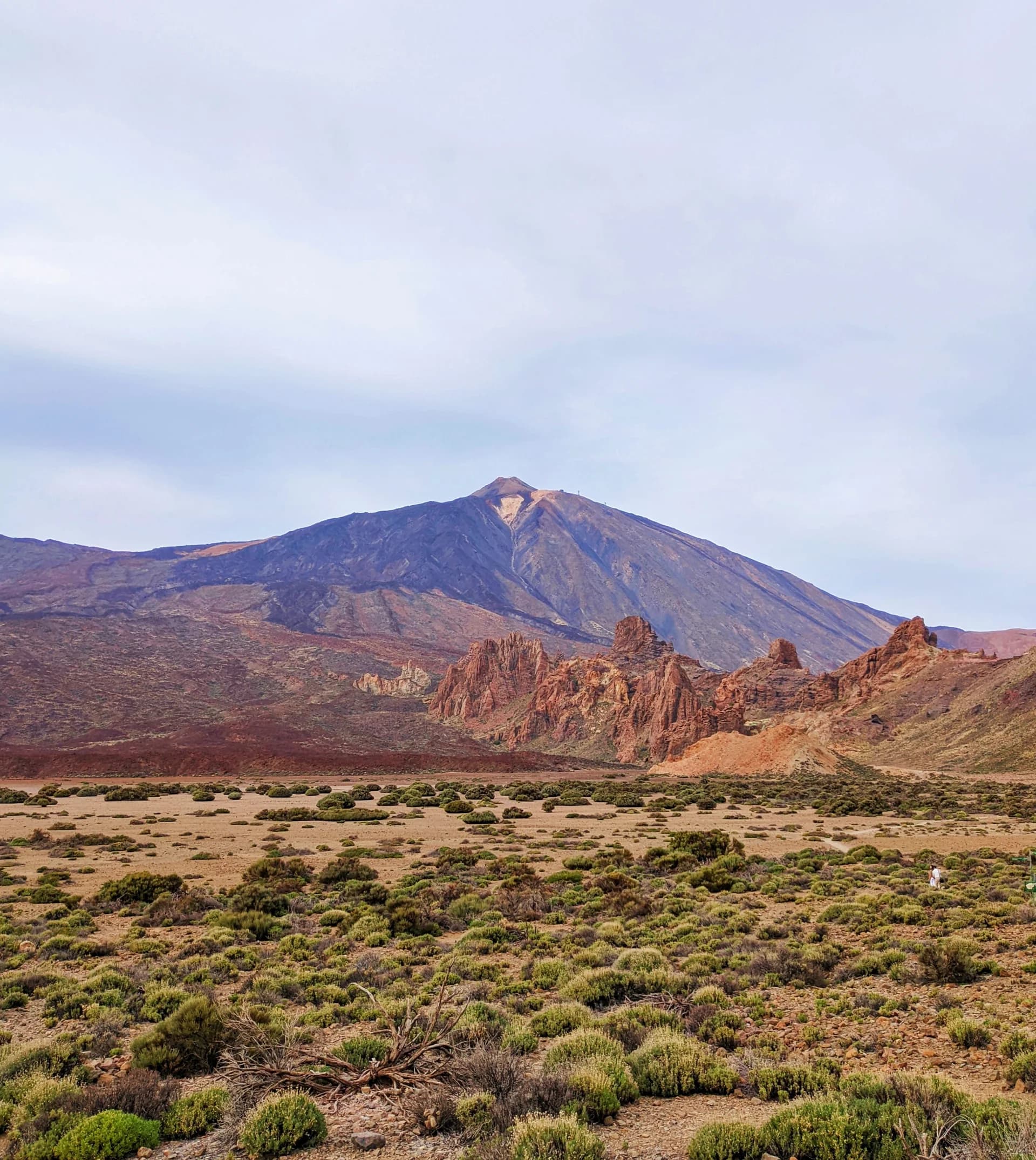
Visiting Teide: practical guide, cable car, permits, and tips
Visiting Mount Teide: Complete Guide, Cable Car, Permits and Tips
Visiting Mount Teide is one of the must-do experiences during a holiday in Tenerife. The volcano dominates the centre of the island, and its landscape, made up of lava flows, volcanic rocks, vast open spaces and views above the clouds, looks like something from another planet.
In this guide, you will find all the information you need to plan your visit to Teide National Park: how to get there, what to see, how the cable car works, when you need a permit to reach the summit and what to bring with you.
What is Mount Teide and why visit it?
Mount Teide is an active volcano located in the heart of Tenerife, in the Canary Islands. Standing at 3,718 metres above sea level, it is the highest mountain in Spain and one of the island's most recognisable landmarks.
The entire area is part of Teide National Park, which was declared a UNESCO World Heritage Site in 2007. The park offers a unique volcanic landscape characterised by enormous calderas, ancient lava flows, spectacular rock formations and numerous endemic plant species.
One of the most spectacular sights is the so-called "sea of clouds". On the right days, from the higher areas of the park you can see a layer of clouds below you, with clear skies above and Mount Teide dominating the landscape.
How to get to Teide National Park
Teide National Park is located in the centre of Tenerife. Depending on where you are staying, you should generally allow between one and a half and two hours of travel time to reach the park.
The most convenient way to explore it is definitely to rent a car. Alternatively, you can join an organised tour, which is particularly convenient if you do not want to drive on mountain roads.
Public transport connections are more limited and do not offer the same freedom of movement, especially if you want to stop at different viewpoints and walk some of the trails.
The main roads to Teide
- From the south of Tenerife: via the TF-38, passing through the Chío or Vilaflor area;
- From the north: via the TF-21 from the La Orotava area;
- From Santa Cruz and La Laguna: via the TF-24 and then the roads crossing the national park.
The journey itself is part of the experience: as you climb towards Teide, the landscape constantly changes, moving from coastal areas to mountain vegetation and finally to the impressive volcanic environment of the national park.
Parking: when should you arrive?
Parking areas at the most popular locations in Teide National Park are relatively small and can fill up quickly, especially during peak season and around the middle of the day.
If you want to explore the main attractions at a relaxed pace, it is best to arrive early in the morning, preferably before 9:00 am, or later in the afternoon.
What to see in Teide National Park
Teide National Park is about much more than simply climbing the volcano. Even without taking the cable car or reaching the summit, you can spend an entire day exploring spectacular landscapes and viewpoints.
1. Roques de García and the famous Roque Cinchado
The Roques de García are one of the most iconic areas of the park. Here you will find some of Tenerife's most spectacular volcanic rock formations, shaped over thousands of years by volcanic activity and erosion.
The most famous formation is Roque Cinchado, often nicknamed the "Finger of God" because of its distinctive shape.
The area can also be explored via a scenic circular trail of around 3.5 km, which generally takes between one and a half and two hours. The route allows you to see the volcanic landscape up close and offers beautiful views of Mount Teide.
2. The Teide Cable Car
The Teide Cable Car is the quickest way to reach the higher elevations of the volcano without tackling the long climb on foot.
The lower station is located at around 2,356 metres, while the cable car takes you to the upper station at La Rambleta, around 3,555 metres above sea level.
Once you reach the top, the views are spectacular. On clear days, you can see much of Tenerife and, under certain conditions, other islands of the Canary Islands archipelago.
Operating times can vary depending on the season and operational conditions. Before your visit, it is therefore always advisable to check opening times, availability and operating conditions on the official website.
The main advice is to book in advance, especially during busy periods, as available places can sell out quickly.
3. How to reach the summit of Mount Teide
Reaching the upper cable car station does not automatically mean that you can reach the actual summit of Mount Teide.
To walk the final section to the summit via Telesforo Bravo Trail No. 10, a special permit is generally required.
Permits are limited and can sell out well in advance. If reaching the summit is your goal, it is therefore advisable to plan your visit well ahead of time and check the access requirements in force at the time of your trip.
An alternative: hiking up from Montaña Blanca
More experienced hikers can tackle the climb starting from Montaña Blanca, following Trail No. 7 towards the higher elevations of the volcano.
This route is considerably more demanding than visiting by cable car and requires good physical preparation, appropriate equipment and particular attention to weather conditions and altitude.
Historically, the Altavista Refuge could be used as a base during the ascent. Before planning this option, however, it is important to check the current conditions and access arrangements directly.
4. Mirador de Ucanca and Llano de Ucanca
Among the most beautiful viewpoints in the park is Mirador de Ucanca, overlooking the vast volcanic plain of Llano de Ucanca.
It is one of the best places to stop, take photographs and admire the contrast between the immense volcanic landscape and the imposing mountains surrounding Mount Teide.
The stop does not require much time, making it perfect to include in a road trip through the national park.
5. The visitor centres in Teide National Park
If you want to learn more about Teide's geological history, as well as the area's flora and fauna, you can visit the dedicated visitor centres.
Among the main points of reference are the El Portillo Visitor Centre, located on the northern side of the park, and the centre in the Cañada Blanca area.
Here you can find information, maps and useful materials to better understand the area before beginning your visit or a hike.
Again, it is advisable to check opening times before visiting, particularly during public holidays or periods of difficult weather conditions.
When to visit Mount Teide
Teide National Park can be visited all year round, but conditions can vary considerably depending on the season.
Spring and autumn are generally excellent times to visit the park thanks to milder temperatures and, often, fewer visitors compared with the summer months.
In summer, the weather can be pleasant, but the most popular areas can become very crowded. In winter, temperatures at altitude can drop significantly, and snow, ice or temporary closures of some roads and trails may occur.
The most important rule is to always check the weather conditions before setting off. You may find sunshine and warm temperatures on the coast and, just a few hours later, strong winds, cold temperatures or fog at high altitude.
What to wear when visiting Mount Teide
One of the most common mistakes is leaving the coast wearing summer clothes and underestimating the temperature difference in the mountains.
The best solution is to dress in layers.
- T-shirt or lightweight base layer;
- fleece or sweatshirt;
- windbreaker or waterproof jacket;
- hat and gloves, especially in winter, at sunset or during the colder hours;
- comfortable closed shoes with good grip.
If you use the cable car or hike at high altitude, suitable footwear is particularly important. Specific safety requirements regarding clothing and footwear may apply to the cable car, so always check the latest rules before your visit.
What to pack in your backpack
Even for a simple road trip, it is advisable to bring a backpack containing a few essentials.
- Water: at least 1–1.5 litres per person, especially for longer hikes;
- Something to eat: fruit, nuts, sandwiches or energy bars;
- Sunscreen: UV exposure is particularly strong at high altitude;
- Sunglasses;
- Reusable water bottle;
- Extra jacket in case of wind or falling temperatures;
- Hiking poles, if you plan to tackle longer or more demanding trails.
Be aware of the altitude
During a visit to Teide, you can quickly go from sea level to more than 2,000 or 3,500 metres above sea level.
For some people, this change can cause altitude-related symptoms such as:
- headache;
- dizziness;
- shortness of breath;
- nausea;
- tiredness or weakness.
The advice is to walk slowly, avoid sudden exertion, drink regularly and take breaks.
If symptoms become significant or worsen, it is sensible to stop the activity and descend to a lower altitude.
How much time do you need to visit Mount Teide?
It depends on what you want to do.
- Viewpoints only: half a day may be enough;
- National park + Roques de García: around half a day or a relaxed full day;
- Cable car: allow time for the journey, parking, any waiting time and your stay at altitude;
- Hiking: this can take most of the day, depending on the route you choose.
If you have a car, one of the best options is to dedicate an entire day to Teide, stopping at the various viewpoints along the way and combining the visit with a short hike.
Final tips for visiting Mount Teide
- Plan your visit in advance, especially if you want to use the cable car;
- Always check the weather, wind and road conditions before setting off;
- Arrive early to find parking at the busiest locations;
- Dress in layers: temperatures can change dramatically;
- Bring water, food, sunscreen and suitable footwear;
- Do not underestimate the altitude, especially if you are arriving directly from the coast;
- If you want to reach the summit, check the access requirements and any necessary permits well in advance;
- Do not limit yourself to the cable car: Roques de García, Ucanca and the other viewpoints in the park are absolutely worth visiting.
FAQ: Visiting Mount Teide
Do you need a permit to visit Mount Teide?
No, you do not need a permit to enter Teide National Park. However, specific authorisation or access arrangements may be required to reach the summit via the final section of Telesforo Bravo Trail.
Do you need to book the Teide Cable Car?
Booking in advance is strongly recommended, especially during peak season, as availability can be limited.
Can you visit Mount Teide by car?
Yes. A car is one of the best ways to explore the national park and stop at the different viewpoints.
How high is Mount Teide?
Pico del Teide reaches an altitude of 3,718 metres and is the highest peak in Spain.
Is it cold on Mount Teide?
Yes, especially at high altitude. Even when it is warm on the coast of Tenerife, temperatures on Teide can be considerably lower and wind can make it feel even colder.
Can you visit Mount Teide with children?
Yes, many areas of Teide National Park and several viewpoints are easily accessible. For demanding hikes or activities at high altitude, however, it is important to consider the route, weather conditions and altitude.
Mount Teide is one of the most spectacular experiences you can have in Tenerife. Whether you choose a simple road trip, a walk among the Roques de García or a cable car ride, planning your visit properly will allow you to enjoy one of the most extraordinary landscapes in the Canary Islands.